Your next leaders are already in your organisation. The question is whether your culture will let them rise.
Your next leaders are probably already in your organisation. The question is whether you notice them, and whether your culture will let them rise.
We have studied the trends we saw a year ago, what we have seen in the news, reports, surveys and all the research for Mo’s new book.
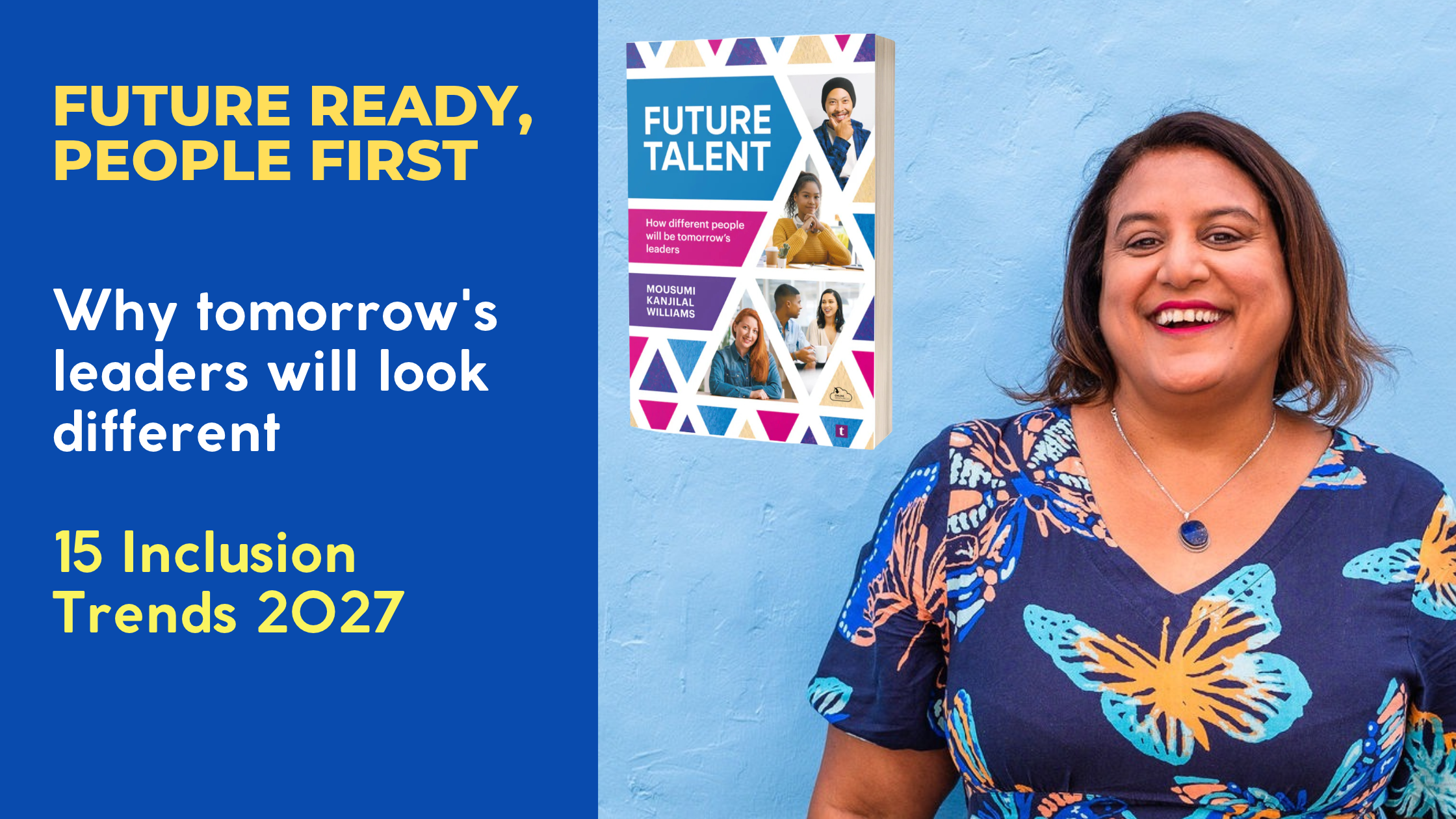
So here it is, our predicted trends. Future Ready, People First: Why tomorrow’s leaders will look different, our 15 inclusion trends for 2027.
Why we wrote it
Last year, our report Culture Shocks or Culture Rise? asked whether workplace culture would clash or rise under pressure. In 2026, we saw both.
AI removed the bottom rungs of the career ladder. Untrained managers cost organisations talent and tribunals. Inclusion budgets were questioned. And, again and again, the same people carried the cost.
2027 raises the stakes. Equality action plans are expected to become mandatory for larger employers. New harassment duties are already in force. Pressure for pay transparency is growing. Compliance is the floor. Future-ready organisations will go further.
Tomorrow’s leaders will look different
This year’s core theme comes from one simple truth. The leaders every organisation needs next will have different backgrounds, come from different generations, and think and work in different ways. They have to, so we can face the future.
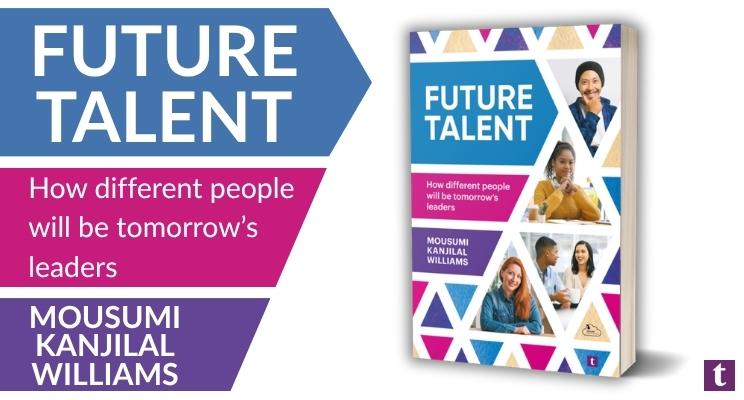
That is also the heart of Mo’s new book, Future Talent: How different people will be tomorrow’s leaders. The report draws on its research, alongside a year of From The Edges, our LinkedIn news and monthly emails, and what people leaders told us at events and in our client work.
The 15 trends
- No rungs, no ladder. AI is removing the entry-level work that grows future leaders.
- Coded in or coded out. Automated tools can filter out difference before a person ever looks.
- The human premium. Judgement and emotional intelligence are now the skills employers want most.
- The manager moment. Inclusion lives or dies when someone tells their manager they are struggling.
- Plans, not promises. Voluntary statements are giving way to published equality action plans.
- Show your workings. Pay secrecy is running out of road.
- Silence signals. When people stop speaking up, it is rarely because things are fine.
- Who absorbs the cost? The same people keep covering the same gaps.
- Credit where it’s due. Lived experience and cultural knowledge deserve recognition.
- Build, don’t join. Gen Z is building careers on its own terms.
- Time, not place. The flexibility debate has moved from where to how much and when.
- The budget test. Cut inclusion now, and you cut your future leadership pipeline.
- Designed for difference. Design for the edges, and everyone benefits.
- The benefits bridge. Benefits only work if people can find and use them.
- Safe to be seen. Future leaders need to feel safe to be visible, online and off.
Practical, not performative
Every trend comes with the knowledge behind it and five clear actions you can take now. No jargon. No tick boxes. Just practical steps to help you put people first and grow the leaders you will need next.
Use it to start conversations with your leadership team, shape your equality action plan, or test where your culture stands today.
Who rises next?
Some organisations will wait for the law to force their hand. Others will act now, develop different talent and share power.
Your choices in 2027 decide who rises to lead.